
Termite Control Services

Termites cause structural damage that compounds silently for years. Our termite service covers both pre-construction (soil-injection of MOCCAE-approved termiticide before slab pour) and post-construction (perimeter trenching, drilling-and-injection, baiting systems) for existing buildings.

Every termite engagement begins with a structural inspection — we map active galleries, identify the species (subterranean termites are the dominant UAE issue), and design treatment to the building’s foundation, soil type, and access points. All technicians are licensed under Dubai Municipality; pesticides are MOCCAE-approved.

Warranty. On completion of post-construction treatment, we issue a written warranty — 1, 5, or 10 years, depending on the treatment scope agreed at engagement.

Types & Prevention

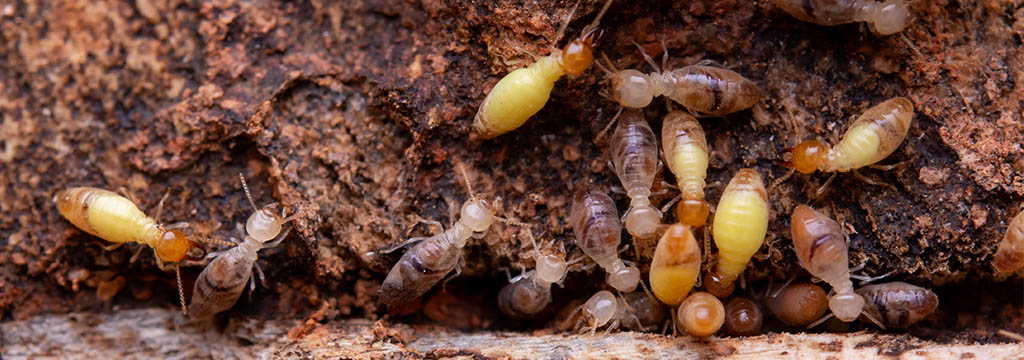
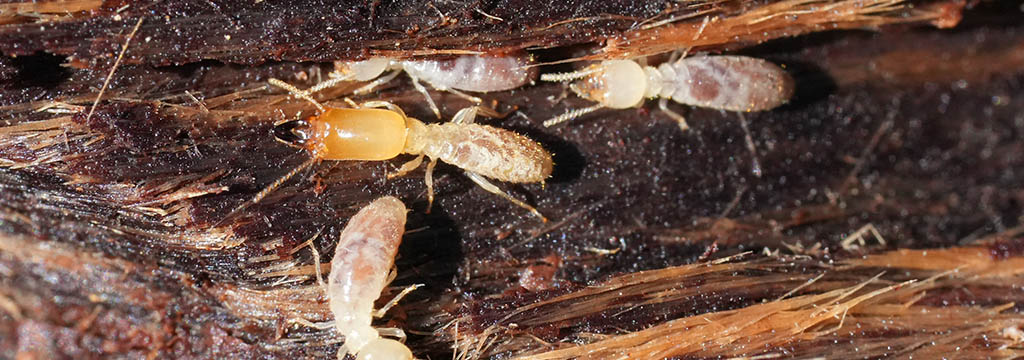
Termites are small, social insects known for their ability to consume wood and other cellulose materials, causing significant structural damage to buildings and other wooden structures. They live in colonies that can number in the millions and are often hidden from view, making infestations difficult to detect until substantial damage has occurred. There are over 2,000 species of termites, with the most common types being:

  1. Subterranean Termites: These termites build extensive underground colonies and create mud tubes to access above-ground food sources. They are responsible for the majority of termite damage to buildings.
  2. Drywood Termites: Unlike subterranean termites, drywood termites do not require contact with soil and infest dry wood, such as furniture, framing, and flooring. They often create nests within the wood they consume.
  3. Dampwood Termites: Preferring moist and decaying wood, dampwood termites are typically found in damp and humid environments. They are less likely to infest dry, structural wood but can cause damage to wet wooden areas.

Understanding the different types of termites and their behaviors is crucial for effective identification, prevention, and control measures.

    1. Swarmers: Winged termites (swarmers) inside or around your property, especially near windows and doors, indicate a nearby colony.
    2. Discarded Wings: Finding piles of discarded wings near windowsills, doors, or other entry points is a common sign of termites.
    3. Mud Tubes: Subterranean termites build mud tubes along foundations, walls, or crawl spaces to travel between their colony and food sources.
    4. Wood Damage: Hollow-sounding wood, blistering or dark spots on wooden surfaces, and visible mazes or tunnels inside wood are signs of termite activity.
    5. Frass: Drywood termites produce frass, which are small, pellet-like droppings that accumulate near infested wood.
    6. Buckling Floors or Ceilings: Warped or sagging floors, ceilings, or walls can indicate severe termite damage.
    7. Tight-Fitting Doors and Windows: Termite damage can cause doors and windows to become tight-fitting or difficult to open due to warping.
    8. Clicking Sounds: Soldier termites make clicking sounds inside walls when disturbed. You may hear these sounds if you put your ear close to the wall.
    9. Papery or Thin Walls: Termites consume wood from the inside out, leaving a thin veneer of paint or paper. If walls sound hollow when tapped, it could indicate termite damage.
    10. Visible Termites: Occasionally, you may see live termites when moving infested wood or during a renovation.

    Recognizing these signs early can help in taking prompt action to control and eliminate termite infestations, protecting your property from extensive damage.

    1. Eliminate Moisture: Keep your home dry by repairing leaks in plumbing, roofs, and air conditioning units. Ensure proper drainage around the foundation and use dehumidifiers in damp areas like basements.

    2. Maintain Ventilation: Ensure good airflow in crawl spaces, attics, and other areas prone to moisture buildup. Proper ventilation helps prevent the conditions termites thrive in.

    3. Remove Wood Debris: Keep your yard free of wood debris, including fallen branches, firewood, and old tree stumps. Store firewood at least 20 feet away from your home and off the ground.

    4. Use Treated Wood: In construction projects, use termite-resistant or pressure-treated wood, especially in areas that come into contact with the soil.

    5. Seal Entry Points: Seal cracks and crevices in your home’s foundation, walls, and roof to prevent termites from gaining entry. Ensure that window screens and door seals are intact.

    6. Maintain Landscaping: Keep shrubs, trees, and other vegetation trimmed and away from the foundation of your home. Avoid allowing soil or mulch to come into direct contact with wooden structures.

    7. Inspect Regularly: Conduct regular inspections of your home, particularly basements, crawl spaces, and attics. Look for signs of termite activity such as mud tubes, wood damage, and discarded wings.

    8. Use Termite Barriers: Consider installing physical or chemical barriers during construction. These can include stainless steel mesh, sand barriers, or chemical soil treatments to deter termites.

    9. Apply Preventive Treatments: Use termite repellents and treatments around your home’s perimeter and other vulnerable areas. Liquid termiticides and bait stations are common preventive measures.

    10. Professional Inspections: Schedule regular professional termite inspections, especially if you live in an area prone to termite activity. Professionals can identify early signs of infestation and recommend appropriate preventive measures.

    Implementing these preventive measures can significantly reduce the risk of termite infestations and protect your home from costly damage.

How We Control?

Our Clients