
Bed Bugs Control Services

Bed bug infestations are recurring across Dubai’s hospitality, residential and labor-camp segments — and they spread through luggage, second-hand furniture and connecting walls in apartment buildings. Our service is inspection-led: we map activity by mattress seams, headboards, baseboards, electrical outlets, and behind wall fittings before deciding on treatment.

Treatment combines two methods: MOCCAE-approved residual spray for treated surfaces and crevices, and eco-friendly steam treatment for hard-to-reach areas, mattresses, and items that can’t be sprayed. Bed bugs hide deep — partial treatment fails. We schedule two follow-up visits at the right intervals to break the egg-hatch cycle. All technicians Dubai-Municipality-licensed; service is run discreetly — important for hotels and apartment blocks.

Types & Prevention

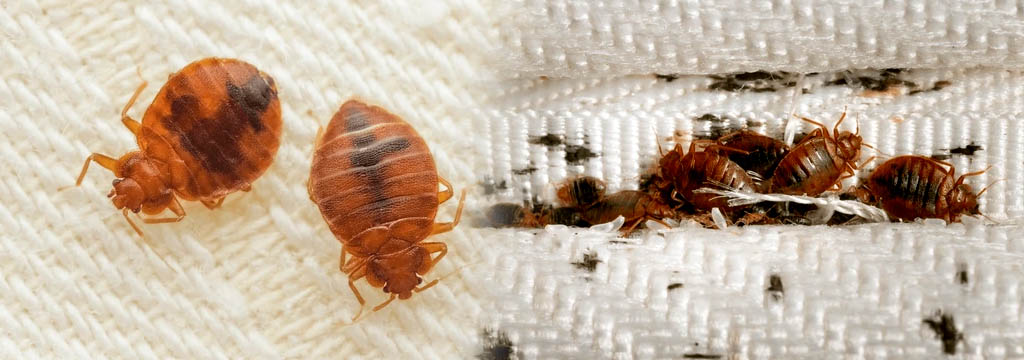
Bed bugs are small, reddish-brown insects that feed on the blood of humans and animals, typically during the night. Known for their resilience and ability to hide in small crevices, they are a common pest in homes, hotels, and other lodging facilities. Bed bugs can cause itchy bites, allergic reactions, and anxiety. There are primarily two types of bed bugs:

  1. Cimex lectularius: The common bed bug, found worldwide, prefers temperate climates and is most commonly associated with human habitats. They infest beds, furniture, and other close-to-sleeping areas.

  2. Cimex hemipterus: The tropical bed bug, more common in tropical regions, has similar behaviors and habitats to the common bed bug but thrives in warmer climates.

Understanding these types helps in effective identification and tailored control measures to eradicate infestations.

  1. Bite Marks: Red, itchy bite marks on exposed areas of the skin, often in a cluster or zigzag pattern, especially upon waking up.
  2. Blood Stains: Finding small blood stains on bedding or nearby furniture, resulting from bed bugs being crushed after feeding.
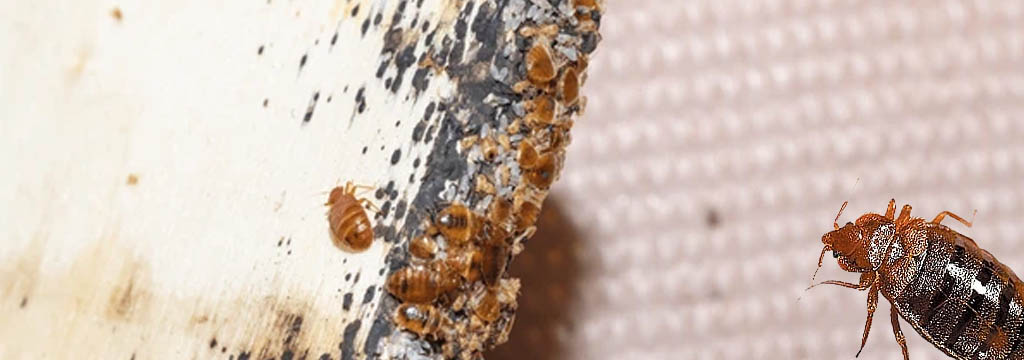
  3. Dark Spots: Dark or rusty-colored spots on bedding, mattresses, or nearby walls, which are bed bug excrement.
  4. Eggshells and Shed Skins: Tiny, pale yellow skins and eggshells shed by nymphs as they mature, typically found in cracks and crevices.
  5. Musty Odor: A strong, musty odor often described as sweet or sickly, which can be particularly noticeable in severe infestations.
  6. Live Bed Bugs: Finding live bed bugs crawling on bedding, mattresses, or nearby furniture, especially during the night.
  7. Molted Exoskeletons: Shed exoskeletons of bed bugs, especially near their hiding places such as cracks in wood or upholstery.
  8. Hiding Places: Discovering bed bugs in their typical hiding spots during the day, such as mattress seams, box springs, bed frames, headboards, and nearby furniture.
  9. Travel History: Developing bites and noticing other signs shortly after staying in hotels or other accommodations known for bed bug problems.

Recognizing these signs early is crucial for prompt treatment and eradication of bed bug infestations to prevent further spread and discomfort.

      1. Inspect Secondhand Items: Thoroughly inspect used furniture, mattresses, and clothing for signs of bed bugs before bringing them into your home.

      2. Encase Mattresses and Box Springs: Use bed bug-proof encasements on mattresses and box springs to prevent bed bugs from entering or escaping.

      3. Reduce Clutter: Declutter your home to minimize hiding spots for bed bugs. Dispose of or store items in sealed containers.

      4. Regular Cleaning: Vacuum and clean your home regularly, paying attention to cracks, crevices, and other potential hiding places for bed bugs.

      5. Be Cautious When Traveling: Inspect hotel rooms and accommodations for signs of bed bugs before unpacking. Keep luggage off the floor and use luggage racks when possible.

      6. Seal Cracks and Crevices: Seal cracks and crevices around baseboards, electrical outlets, and pipes to reduce potential entry points for bed bugs.

      7. Be Mindful of Shared Laundry Facilities: Be cautious when using shared laundry facilities, particularly in apartment buildings or dormitories. Inspect and dry clothing on high heat if possible.

      8. Use Bed Bug Monitors: Consider using bed bug monitors or traps in key areas such as beds and furniture to detect bed bugs early.

      9. Educate Yourself: Learn about signs of bed bugs and regularly monitor for any potential infestations in your home.

      10. Consult Professionals: If you suspect a bed bug infestation or need assistance with prevention strategies, consult with a licensed pest control professional for expert advice and treatment options.

      By implementing these preventive measures, you can significantly reduce the risk of bed bug infestations and maintain a bed bug-free environment in your home.

How We Control?

Our Clients