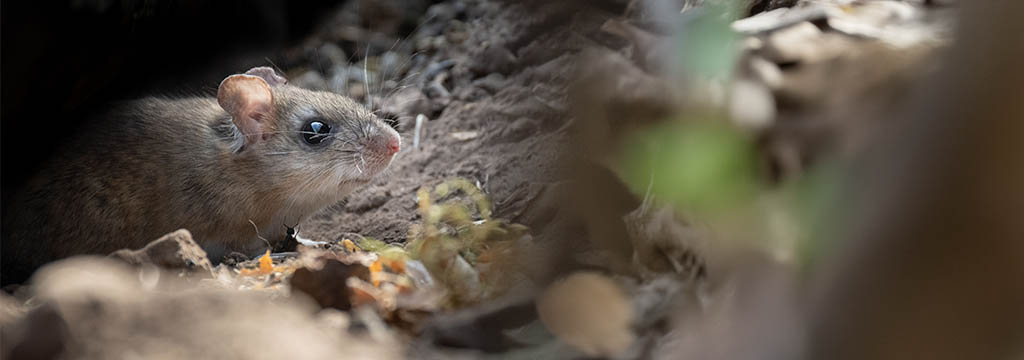


Rats and mice carry disease, contaminate food, and gnaw through wiring and structural materials. Our rodent control service combines exclusion (sealing entry points), trapping, and MOCCAE-approved bait stations placed by Dubai-Municipality-licensed technicians.
Inspection comes first — we identify the species (Norway rat, roof rat, house mouse), trace travel routes by droppings and rub marks, and locate harborage. The treatment plan is sized to the infestation and the property type — a residential villa is treated differently from a labor camp or a warehouse. Follow-up monitoring confirms control and catches re-entry early.
Rodents are a diverse group of mammals characterized by their continuously growing incisor teeth and typically small size. They are found worldwide and play various ecological roles, though some species are considered pests due to their tendency to damage crops, contaminate food supplies, and spread diseases. Common types of rodents include:
Rats: Known for their adaptability and intelligence, rats can thrive in urban and rural environments alike. Species like the brown rat and black rat are particularly widespread.
Mice: Smaller than rats, mice are also highly adaptable and can be found in homes, fields, and commercial spaces. House mice are a prevalent species known for their prolific breeding.
Squirrels: While not always considered pests, certain species of squirrels, such as tree squirrels, can cause damage to property and gardens.
Gophers and Moles: These burrowing rodents can create extensive tunnels and damage lawns, gardens, and agricultural fields.
Hamsters, Guinea Pigs, and Gerbils: Often kept as pets, these rodents are smaller in size and have been domesticated for centuries.
Understanding the behaviors and habitats of these different types of rodents is crucial for effective rodent control strategies in various environments.
Signs of a rodent infestation can vary depending on the species and the environment, but common indicators include:
Droppings: Rodent feces are a clear sign of infestation. They vary in size and shape depending on the species (e.g., rats vs. mice).
Gnaw Marks: Rodents have strong teeth that grow continuously, so they gnaw on wood, plastic, and even electrical wires. Look for chewed-up items or marks on surfaces.
Nesting Materials: Rodents build nests using materials like shredded paper, fabric, and plant matter. Finding nests in hidden areas like attics, basements, or behind appliances indicates an infestation.
Tracks and Smudge Marks: Rodents often leave tracks and greasy smudge marks along walls and baseboards as they travel along their regular pathways.
Sounds: Nocturnal rodents may be heard scurrying, scratching, or gnawing during the night, especially in ceilings, walls, or attics.
Odors: Rodents can produce a musky odor, especially in enclosed spaces where nests are located or where they have been active.
Pet Behavior: If pets suddenly become alert, start pawing at walls or corners, or exhibit unusual behavior, it could indicate they sense the presence of rodents.
Visible Rodents: Spotting live or dead rodents, especially during daylight hours (since they are typically nocturnal), suggests a significant infestation.
Regular inspections and vigilance are key to detecting rodent infestations early and preventing them from becoming a larger problem.
Preventing rodents from entering your home or property involves several proactive steps:
Seal Entry Points: Inspect your home for gaps or cracks in walls, floors, and foundations. Seal these with caulk, steel wool, or other suitable materials to prevent rodents from squeezing through.
Secure Doors and Windows: Install door sweeps and ensure windows close tightly to eliminate potential entry points.
Trim Vegetation: Keep shrubs, bushes, and tree branches trimmed away from the house, as rodents can use these as pathways to enter.
Store Food Properly: Store food in sealed containers made of metal or heavy plastic. Avoid leaving pet food and birdseed out overnight.
Dispose of Garbage Properly: Keep garbage in sealed bins and dispose of it regularly. Rodents are attracted to food waste.
Maintain Cleanliness: Keep your home and yard clean and clutter-free. Remove debris and maintain good sanitation practices to eliminate hiding places and food sources.
Manage Outdoor Areas: Keep outdoor storage areas tidy and elevate firewood and other items off the ground to reduce shelter opportunities for rodents.
Use Traps and Baits: Place traps or use bait stations strategically in areas where rodents are likely to travel, such as along walls or near entry points. Regularly monitor and replace as needed.
Consider Natural Predators: Encourage natural predators of rodents, such as owls or snakes, by providing nesting sites or installing bird feeders.
Regular Inspections: Conduct regular inspections of your property for signs of rodents and take action immediately if you notice any indicators of infestation.
By implementing these preventive measures, you can significantly reduce the likelihood of rodents entering your home or property and minimize the need for more aggressive control methods.

We will conduct a deep and thorough inspection to determine the type of pests that are infesting your premises, the source of the infestation, their breeding sites and the conducive conditions.
Targeted treatment — gel, baiting, ULV misting, steam, or directed spray — using only MOCCAE-approved products. Odorless options inside occupied premises. We apply the minimum chemical needed to control the infestation, never broadcast spray as a default.
Our team follows up after treatment to evaluate effectiveness and adjust the plan as needed. Monitoring traps and inspection logs tell us whether to escalate, hold, or step down treatment — so the result lasts. Each visit is reported in writing.