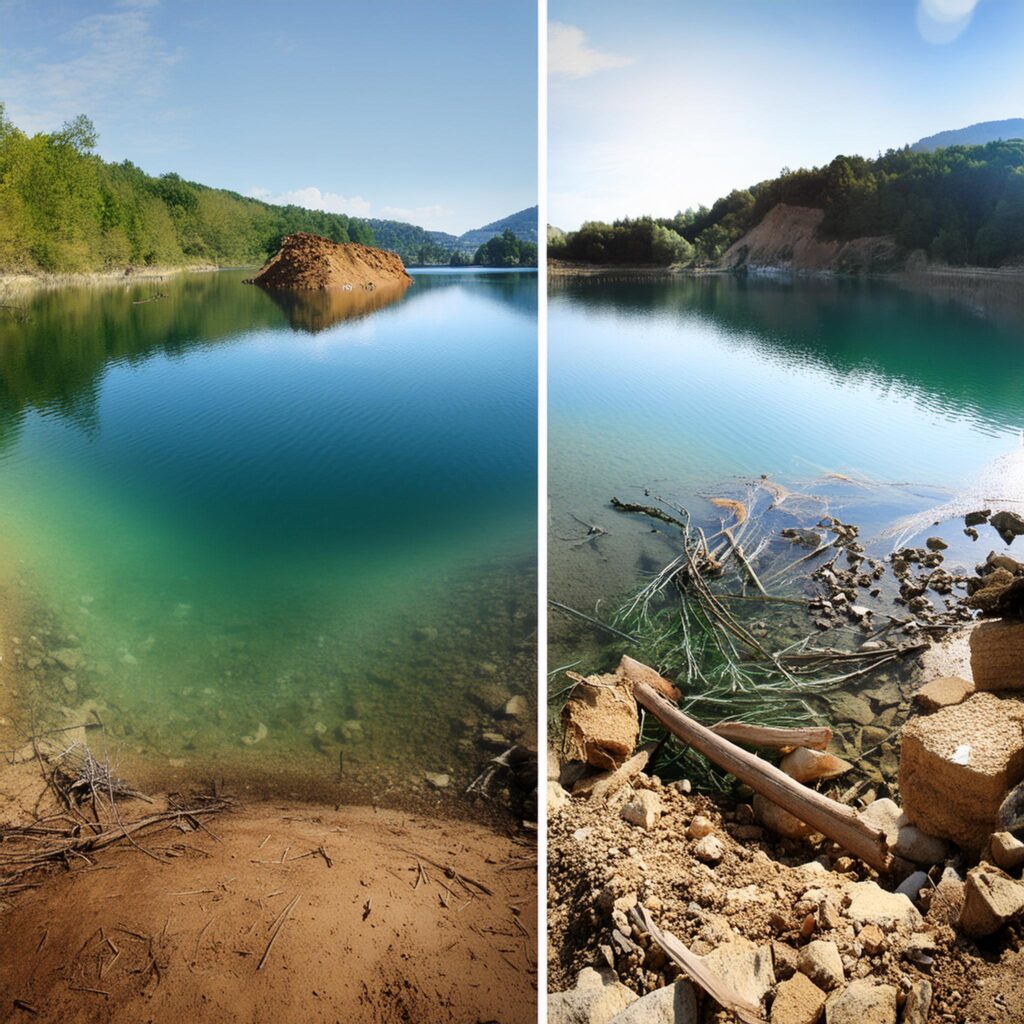
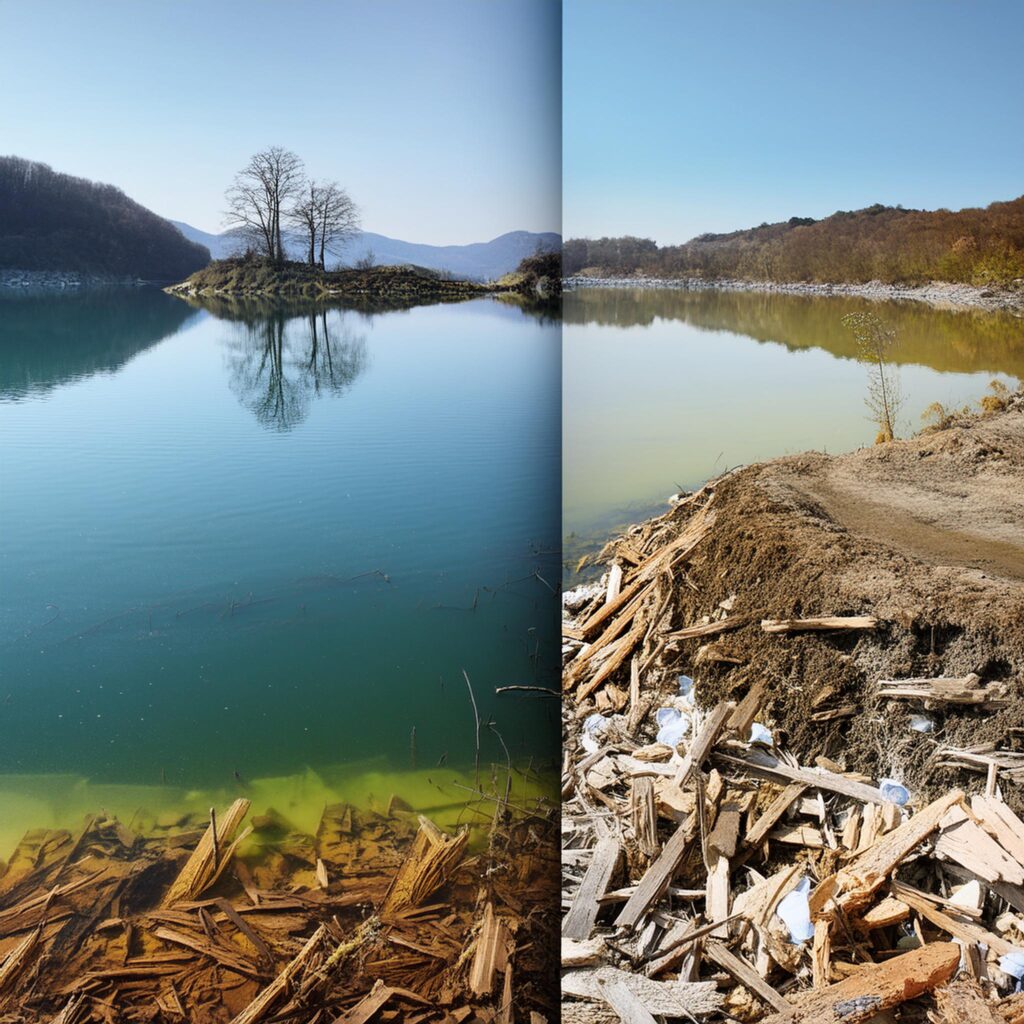
Improved Water Quality: Regular monitoring and treatment ensure clear, clean, and safe water, reducing the risk of waterborne diseases and pollution.
Algae and Weed Control: Effective management of algae blooms and invasive aquatic vegetation keeps the lake visually appealing and navigable.
Balanced Ecosystem: Maintaining the natural balance of aquatic life promotes a healthy and sustainable ecosystem, supporting diverse wildlife.
Enhanced Recreation: Clean and well-maintained lakes provide better opportunities for recreational activities like swimming, boating, and fishing.
Aesthetic Appeal: Proper lake management enhances the visual beauty of the lake, making it a more enjoyable and attractive feature for the community.
Erosion Control: Stabilizing shorelines and managing erosion helps preserve the lake’s natural structure and surrounding landscapes.
Property Value Increase: Well-managed lakes contribute to higher property values for surrounding homes and businesses due to the improved environment and amenities.
Pest Control: Reducing mosquito breeding grounds and other pests in and around the lake creates a more comfortable and enjoyable outdoor space.
Nutrient Management: Controlling nutrient levels in the water helps prevent excessive growth of harmful algae and aquatic plants.
Educational Opportunities: Lake management programs can include community education on environmental stewardship and conservation practices.
Compliance with Regulations: Professional lake management ensures adherence to local and federal environmental regulations, avoiding potential fines and legal issues.
Long-Term Sustainability: Implementing sustainable practices ensures the lake remains a valuable natural resource for future generations.